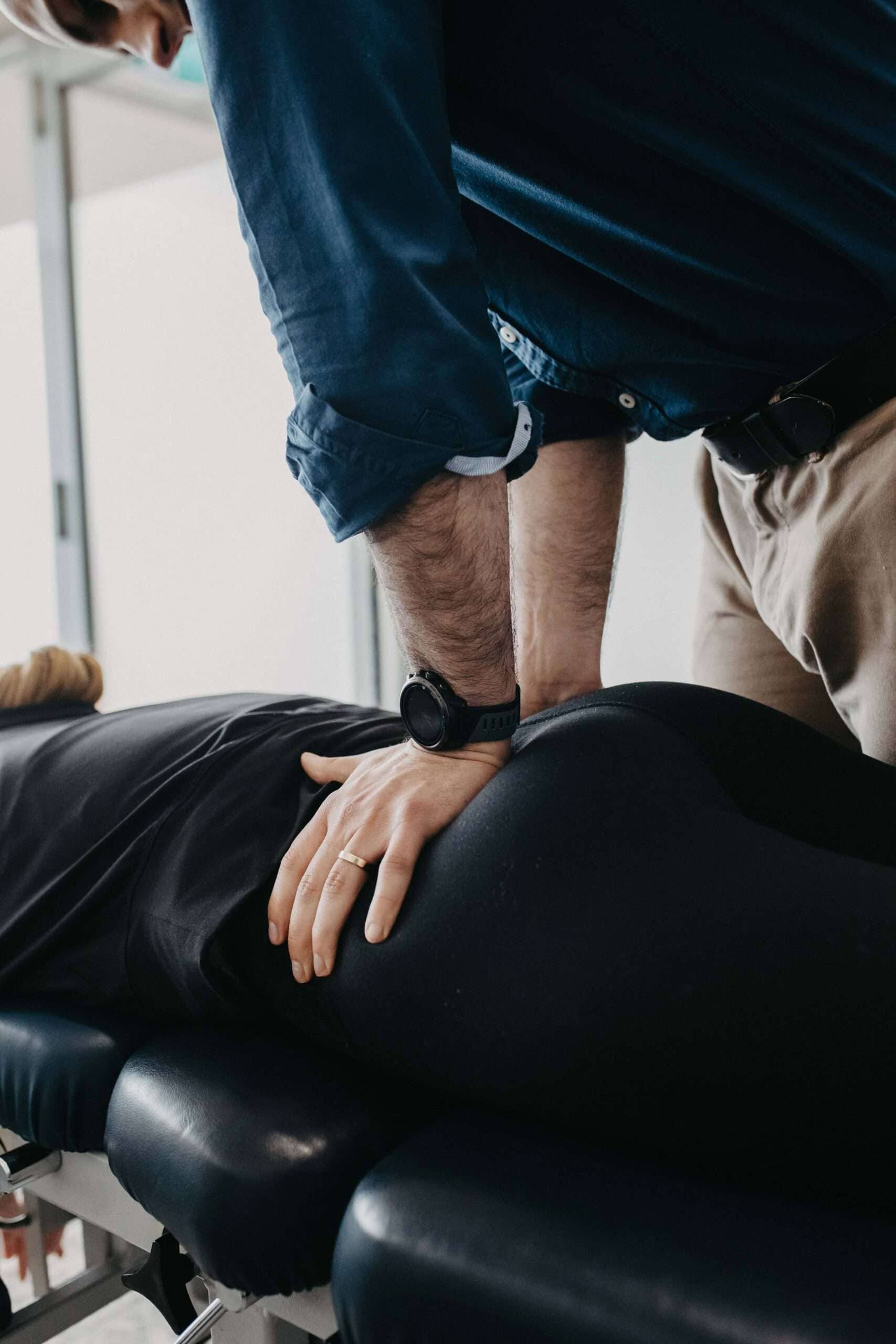
Here’s something that catches most people off guard when they visit our Geelong clinic: the advice to keep moving when their lower back is screaming at them to stop. I get it. When pain strikes, your first instinct is to lie down and wait it out. But what if I told you that staying still might actually be making things worse?
The Problem with Playing It Safe
We’ve all been there. Your lower back starts aching, so you cancel the gym, skip your morning walk, and spend the weekend on the couch. Sounds sensible, right? Except your body doesn’t quite see it that way.
When you sit for extended periods, several things happen that your back really doesn’t appreciate. Your hip flexors tighten up, your glutes switch off, and the muscles supporting your spine start to weaken. Blood flow decreases, which means less oxygen and nutrients reaching the tissues that need to heal. The discs in your spine actually rely on movement to stay healthy because they don’t have their own blood supply.
Think of it like this. If you sprained your ankle, you wouldn’t stay in bed for weeks. You’d rest initially, then gradually start moving again. Your back works the same way.
Why Movement Matters More Than You Think
The research is pretty clear on this one. People who stay active during episodes of lower back pain tend to recover faster than those who choose complete rest. Movement helps maintain flexibility, keeps your muscles engaged, and prevents the stiffness that comes from being sedentary.
But here’s the thing that matters most. The right kind of movement can actually reduce pain signals. When you move gently and properly, you’re telling your nervous system that it’s safe to calm down. You’re breaking the pain cycle instead of reinforcing it.
What This Means for Your Daily Life
If you’re working from home or sitting at a desk most of the day, you’re essentially training your body to be stiff. The solution isn’t to push through severe pain or ignore warning signs. It’s about finding that sweet spot between rest and activity.
Start simple. Stand up every 30 minutes. Take a short walk during lunch. Do some gentle stretches in the evening. These aren’t groundbreaking moves, but they work because they keep your spine moving through its natural range of motion.
At our chiropractic clinic, we often see people who’ve been told to rest for weeks, only to find their pain has gotten worse. When we get them moving again with proper guidance, the improvement can be dramatic.
Your body was designed to move. When lower back pain strikes, the answer isn’t always to stop everything. Sometimes the best medicine is getting up and proving to your body that movement is safe. That’s not about pushing through pain or being a hero. It’s about giving your spine what it actually needs to heal.
If your lower back pain persists despite staying active, or if you’re unsure about what movements are safe for you, that’s exactly when professional help makes the difference. We can assess what’s going on and create a plan that gets you moving in the right direction. Literally.